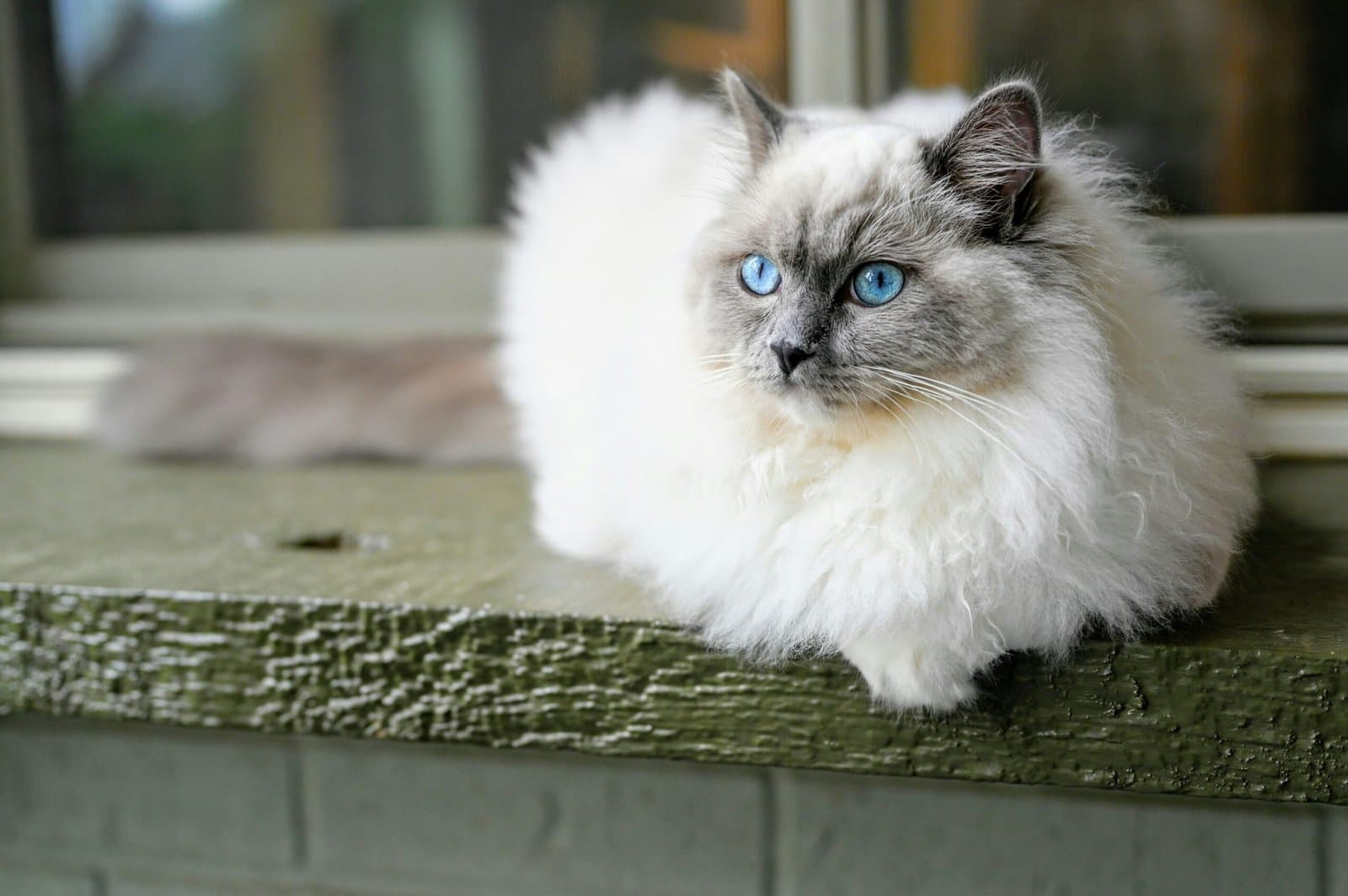
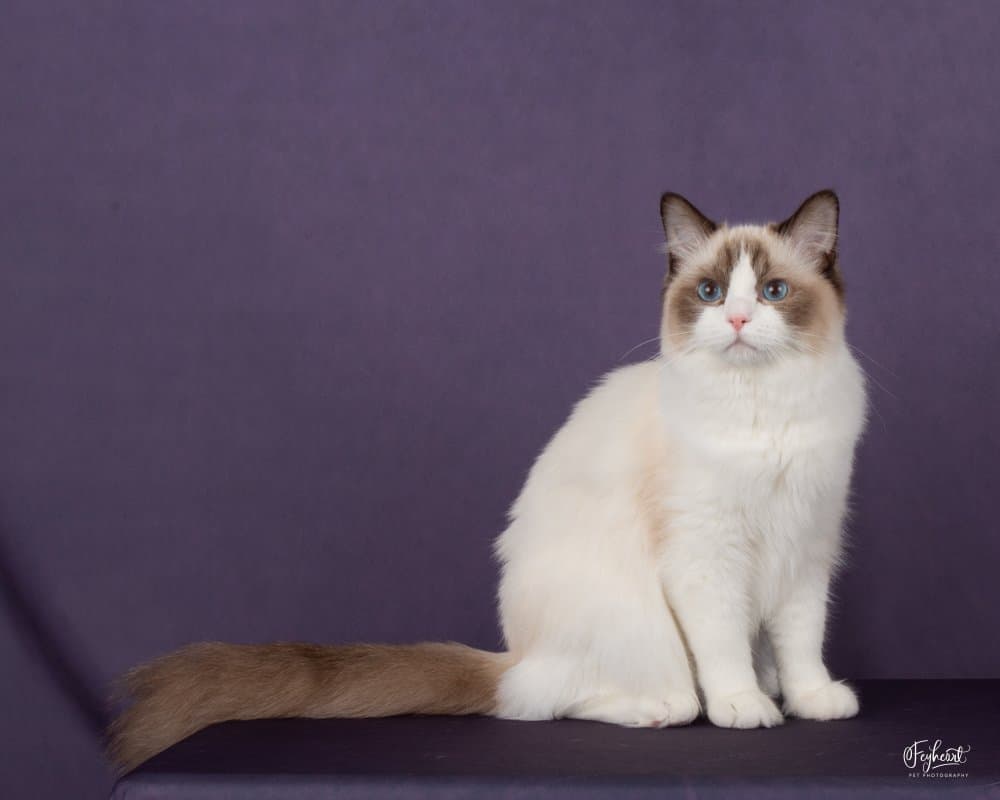
Ragdoll cats have a reputation for being gentle, affectionate, and wonderfully people-oriented, and for many families, that reputation is well earned. But “sweet and snuggly” isn’t the whole story. Like any breed, Ragdolls thrive when their needs are understood and met: daily interaction, consistent routines, quality nutrition, and long-term health planning.
If you’re researching Ragdoll cat adoption (or thinking about adopting a Ragdoll cat or kitten), this guide will walk you through what makes the breed unique, what Ragdolls need day-to-day, and how to choose an ethical, reputable source so you can start your life together on the right foot.
Ragdoll Temperament: What They’re Really Like
Ragdolls are best known for their calm, affectionate nature. Many form deep bonds with their people and enjoy being near you, following from room to room, lounging nearby while you work, and seeking out attention when you’re available.
Common temperament traits
-
Social and people-focused: Many Ragdolls prefer being part of the household routine, not a “decorative” pet.
-
Gentle with families: When introduced appropriately, Ragdolls often do well in homes with respectful children.
-
Emotionally intuitive: Owners frequently describe Ragdolls as comforting companions, especially in calm indoor environments.
-
Playful, but not frantic: Most enjoy interactive play and enrichment without having the constant “busy” energy of some breeds.
Are Ragdolls good for families with kids?
Often yes, with the right expectations. Ragdolls tend to be tolerant and affectionate, but children still need guidance: gentle handling, no chasing, and giving the cat safe “off limits” spaces. A well-socialized kitten raised in a home environment typically transitions more smoothly into family life.
Are Ragdolls good for neurodivergent households?
Many are. Their predictable routines, affectionate companionship, and calmer energy can be a great fit—especially when the household prioritizes stable schedules, quiet resting places, and clear boundaries around handling and overstimulation.
The Reality Check: A Ragdoll Is Still a Cat
Ragdolls are not stuffed animals. Even the most docile cat can become stressed without proper routine, play, enrichment, and respectful handling. A successful match happens when you choose a kitten (or adult cat) whose energy and personality align with your household.
That’s why ethical breeders focus on:
-
Temperament selection
-
Early socialization
-
Thoughtful placement (matching cats to homes)
Ragdoll Cat Care Basics
1) Nutrition: The foundation of long-term health
If you want to do one thing “extra well,” make it nutrition. Good food supports coat quality, digestion, immune function, and healthy growth, especially during kittenhood.
General nutrition tips:
-
Choose a high-quality, animal-protein-forward diet appropriate for your cat’s life stage.
-
Kittens typically need more frequent meals than adults due to growth demands.
-
Transition foods slowly over 7–10 days to reduce digestive upset.
-
Prioritize hydration, many cats benefit from wet food, a water fountain, or both.
Questions to ask before adopting:
-
What brand(s) is the kitten currently eating?
-
How often are meals offered, and what portion guidance is recommended?
-
Do they recommend wet food, dry food, or a combination?
A reputable breeder (or rescue) should be able to explain what they feed and why, and help you transition your kitten confidently.
2) Grooming: What to expect with that plush coat
Ragdolls have a silky, semi-long coat that’s typically less prone to heavy matting than some long-haired breeds, but they still need consistent grooming.
Baseline grooming routine:
-
Brush 2–4 times per week (more during seasonal shedding).
-
Check “high friction” areas: behind ears, armpits, belly, and around the hindquarters.
-
Start grooming gently in kittenhood so it becomes normal and low-stress.
Bonus: regular brushing reduces hairballs and gives you an easy way to monitor skin, coat, and overall condition.
3) Litter box routine: Set them up for success
Ragdolls are usually easy to litter train when their setup is clean, calm, and consistent.
Litter box best practices:
-
One box per cat plus one extra is a reliable rule of thumb.
-
Keep boxes away from loud appliances and heavy foot traffic.
-
Scoop daily; deep-clean regularly.
-
Use unscented litter whenever possible, many cats dislike strong fragrances.
If you’re adopting a kitten, keep their first-week litter setup simple and familiar to reduce stress-related accidents.
4) Enrichment: Calm doesn’t mean “no play”
Even laid-back cats need stimulation. Boredom can show up as nighttime zoomies, scratching, attention-seeking, or stress behaviors.
Easy enrichment ideas:
-
10–15 minutes of interactive play daily (wand toys, “hunt” style play)
-
Cat trees and window perches
-
Puzzle feeders or treat balls
-
Rotating toys weekly to keep interest high
-
“Safe room” rest zones for decompressing
Ragdolls typically do best as indoor cats with thoughtful enrichment. If you want outdoor time, consider safe options like a secured catio or harness training.
Health Testing, Vet Care, and Responsible Planning
No cat can be guaranteed “perfectly healthy,” but ethical breeding and responsible ownership dramatically improve the odds of a long, healthy life.
What reputable sources do (and should explain)
When researching Ragdoll cat adoption, prioritize transparency. A reputable breeder should be prepared to discuss:
-
Health testing in breeding cats (what they test for and why)
-
Veterinary care protocols (vaccines, deworming, wellness checks)
-
A written contract and health guarantee
-
How kittens are raised and socialized before go-home
Breed health considerations (general, not medical advice)
Ragdolls, like many purebred lines, can have genetic predispositions. One commonly discussed concern in Ragdolls is hypertrophic cardiomyopathy (HCM). The right takeaway isn’t fear, it’s informed planning:
-
Choose a source that prioritizes health testing and ethical standards.
-
Maintain routine vet care.
-
Ask questions early, and keep records organized.
Always consult your veterinarian for health decisions specific to your cat.
What to Know Before You Adopt a Ragdoll
1) A good match matters more than a fast timeline
High-quality breeders often place kittens thoughtfully rather than “first come, first served.” That can mean a waitlist, especially for families seeking specific traits.
If you’re serious about adopting, be prepared to:
-
Fill out an application
-
Share your household setup and goals
-
Discuss timing and preferences
-
Ask questions (and welcome questions back)
2) Ask the right questions (and watch how they respond)
Here are smart, adoption-safe questions that help you spot transparency:
Temperament & socialization
-
How are kittens exposed to household noises and routines?
-
Are they socialized with children or other pets (if relevant)?
-
How do you assess personality as the kitten grows?
Health & vet care
-
What health testing do you do on breeding cats?
-
What vaccinations and deworming schedule is followed?
-
What support do you provide if questions come up after adoption?
Go-home readiness
-
At what age do kittens go home?
-
What early routines are they already used to (food, litter, handling)?
A reputable breeder’s answers should feel clear, patient, and consistent, not defensive or vague.
3) Plan for a smooth first week
Your kitten’s first days set the tone for trust and adjustment.
Before your kitten arrives:
-
Prepare a quiet “starter room” with food, water, litter, and a cozy hiding spot
-
Buy the same food and litter they’re already using (you can transition later)
-
Remove hazards: string, hair ties, toxic plants, unsecured cords
First week tips:
-
Keep introductions slow, especially with kids and other pets
-
Maintain a predictable routine
-
Offer gentle, frequent social time without forcing contact
-
Schedule a wellness visit with your veterinarian (per your vet’s guidance)
Is a Ragdoll Right for You?
A Ragdoll may be a great fit if you want:
-
A friendly, affectionate companion
-
A calm indoor cat that enjoys togetherness
-
A breed that typically does well with respectful children and stable routines
-
A cat you can enrich through play, cuddles, and consistent care
You may want to reconsider (or plan carefully) if:
-
You’re away from home constantly with little time for daily interaction
-
You want a very independent, “hands-off” cat
-
You can’t commit to consistent grooming and enrichment
Frequently Asked Questions
Are Ragdoll cats cuddly?
Many are. While every cat is an individual, Ragdolls are known for being affectionate and people-oriented.
Are Ragdolls good for first-time cat owners?
Often yes, especially for people who want an indoor companion and are willing to learn basic cat care, grooming routines, and enrichment.
Do Ragdolls need a lot of grooming?
They’re not the highest-maintenance long-haired breed, but they do need consistent brushing (typically 2–4 times per week) to prevent tangles and reduce hairballs.
What should I feed a Ragdoll kitten?
Start with the diet the kitten is already thriving on, then transition gradually if you plan to change foods. Focus on quality, life-stage-appropriate nutrition and hydration. Your veterinarian can help tailor choices to your kitten.
Should Ragdolls be indoor-only?
Most do best indoors. If you want safe outdoor experiences, consider a catio or harness training rather than free roaming.
What’s the best way to find a reputable Ragdoll breeder?
Look for transparency: health testing, clear contracts, strong socialization practices, and willingness to educate you. Avoid sources that won’t answer questions or push rushed decisions.
Is “Ragdoll cat adoption” the right term?
Many families use it, and it’s also common in search. Adoption-safe language can include “adopting a Ragdoll cat/kitten,” “placing kittens,” or “bringing a kitten home.”
When can a Ragdoll kitten come home?
Timing varies by breeder. Ethical programs typically prioritize development and social readiness over speed—ask about their go-home age and what preparation they do beforehand.
Apply To Adopt Today!
If you’re exploring Ragdoll cat adoption, take your time, ask thoughtful questions, and choose a source that prioritizes health, temperament, and lifelong support. The right match, and the right start, makes all the difference.
Recent Blogs

06/06/2026
Foods That Are Toxic to Ragdolls (and All Cats): A Complete Safety Guide
05/30/2026
Common Litter Box Problems and How to Fix Them: A Breeder’s Guide
05/27/2026
Why Is My Cat Pooping Outside the Litter Box? A Troubleshooting Guide
05/25/2026
The Best Litter Box Setup for Ragdolls (Size, Number, Location & Litter Type)

05/16/2026
Why Is My Cat Peeing Outside the Litter Box? Causes and Solutions
05/13/2026